Top Things to Consider Before Buying Trailers in Wangara
Buying a trailer is a practical investment for anyone who regularly needs to transport equipment, materials, machinery, or personal belongings. Whether you are a tradesperson, business owner, contractor, or homeowner, the right trailer can make everyday transportation more convenient and efficient.
In Wangara, trailers are useful for a wide range of commercial and personal applications. Local businesses may need them to move tools, products, and construction materials, while individuals often use them for gardening, home renovations, furniture transport, and recreational activities.
However, choosing a trailer involves more than simply comparing prices or selecting the largest available model. Factors such as load capacity, trailer dimensions, construction quality, safety features, and towing compatibility all play an important role.
If you are planning to invest in a trailer, here are some important things to consider before making your decision.
1. Identify Your Main Transportation Requirements
The first step is understanding exactly how you intend to use your trailer. Different trailers are designed for different applications, so identifying your regular transportation requirements will help narrow down your choices.
For example, a homeowner who occasionally transports furniture or garden waste may only need a standard box trailer. On the other hand, a construction contractor may require a heavy-duty plant trailer for moving machinery and equipment.
Some common applications include:
- Household transportation: Moving furniture, appliances, garden supplies, and renovation materials.
- Construction work: Carrying building materials, tools, and machinery.
- Landscaping: Transporting soil, plants, branches, and garden waste.
- Commercial deliveries: Moving products, stock, and business equipment.
- Vehicle transportation: Carrying cars and other suitable vehicles.
- Recreational activities: Transporting camping equipment, bicycles, and outdoor gear.
Once you understand your primary purpose, you can focus on trailer designs that genuinely meet your needs rather than paying for unnecessary features.
2. Choose the Right Type of Trailer
Trailers come in several designs, each offering different advantages. Selecting the right type can improve loading convenience, transportation efficiency, and overall usability.
Here are some popular options to consider.
Box Trailers
Box trailers are versatile and suitable for everyday transportation. They are commonly used for carrying furniture, household items, building supplies, and general equipment. Their enclosed sides help keep many types of cargo contained during transportation.
Caged Trailers
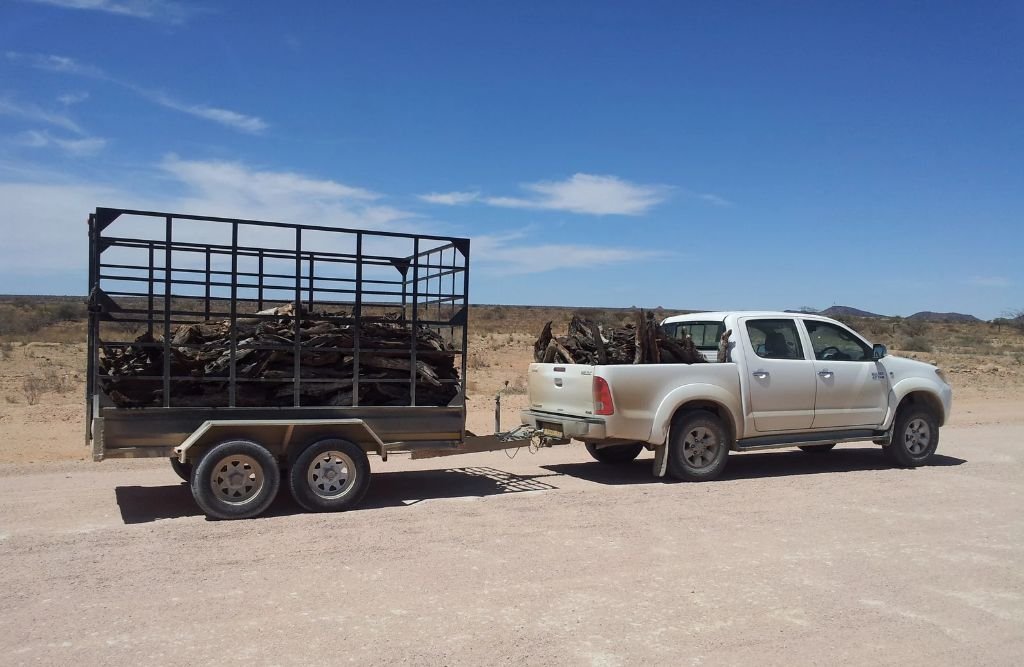
Caged trailers feature additional mesh or metal sides, making them useful for transporting bulky materials, garden waste, and landscaping supplies. Some models offer removable cages for greater flexibility.
Car Trailers
Car trailers are designed for transporting vehicles. Depending on the model, they may include loading ramps, wheel restraints, and dedicated tie-down points.
Plant Trailers
Plant trailers are commonly used by construction professionals and contractors to move machinery such as mini excavators, generators, and other equipment.
Enclosed Trailers
Enclosed trailers provide additional protection against rain, dust, and road debris. They are particularly useful for transporting valuable tools, products, and equipment.
When comparing trailers Wangara, consider which design best matches your regular transportation requirements.
3. Check the Trailer’s Load Capacity
Load capacity is one of the most important factors when buying a trailer. Choosing a trailer that cannot safely accommodate your intended load can create serious transportation and safety problems.
Before purchasing, understand these key terms:
- Tare Mass: The weight of the empty trailer.
- Aggregate Trailer Mass (ATM): The maximum permitted total mass of the loaded trailer, including the load carried.
- Gross Trailer Mass (GTM): The maximum permitted mass supported by the trailer’s wheels when coupled to the towing vehicle.
- Payload: The amount of weight available for carrying goods, generally calculated by subtracting the tare mass from the ATM.
For example, if a trailer has an ATM of 2,000 kg and a tare mass of 500 kg, its theoretical payload is 1,500 kg, subject to the manufacturer’s specifications and all component ratings.
You should also check the towing vehicle’s maximum towing capacity, towball download limit, and other relevant weight ratings.
Never assume that a larger trailer automatically has a higher payload. Its construction and rated specifications determine how much it can safely carry.
4. Consider the Trailer Size and Dimensions
The size of your trailer should match the items you regularly transport. A trailer that is too small may require multiple trips, while an unnecessarily large model can be more difficult to store, manoeuvre, and tow.
Before choosing a size, consider the length, width, height, and weight of your typical loads.
For example, someone transporting garden equipment may find a compact box trailer sufficient. A contractor carrying longer building materials or machinery may require a larger platform.
Also consider where you will park and store the trailer. Check the available space at your home or business and make sure there is enough room for safe access and manoeuvring.
If you frequently transport different types of cargo, choosing a versatile size may provide better long-term value.
5. Inspect the Construction Quality and Materials
A trailer needs to withstand road vibration, changing weather conditions, regular loading, and transportation over different road surfaces. This makes construction quality an important purchasing consideration.
Pay attention to the following components:
Chassis: Look for a strong frame that is suitable for the trailer’s intended load.
Welding: Examine visible welds for consistent workmanship and signs of poor finishing.
Flooring: Check whether the floor material is appropriate for the type and weight of cargo you plan to carry.
Suspension: Make sure the suspension system is suitable for the trailer’s rated capacity and intended use.
Corrosion protection: Ask about galvanised finishes or other protective treatments, particularly if the trailer will regularly be exposed to moisture.
Axles and wheels: Confirm that their ratings match the trailer’s specifications.
A trailer’s overall quality depends on how its components work together. Comparing construction details can help you avoid choosing an option based on price alone.
6. Pay Attention to Safety Features
Safety should never be overlooked when purchasing a trailer. A suitable trailer should have the correct components and ratings for its intended application.
Important safety features include:
- A secure coupling compatible with the towing vehicle.
- Properly rated safety chains.
- Suitable tyres with appropriate load ratings.
- Functional brake lights, indicators, and tail lights.
- A braking system appropriate for the trailer’s specifications.
- Reliable suspension and wheel components.
- Suitable tie-down points for securing cargo.
You should also consider how easily the trailer can be loaded and unloaded. Features such as loading ramps, removable sides, and accessible tie-down points can make regular use more convenient.
Always follow the manufacturer’s loading instructions and applicable Western Australian road regulations. Correct weight distribution and secure cargo restraints are essential for safe towing.
7. Make Sure Your Vehicle Can Tow the Trailer
Before buying a trailer, check whether your existing vehicle is suitable for towing it.
Every vehicle has specific towing limits. These may include maximum braked and unbraked towing capacities, towball download limits, and Gross Combination Mass (GCM).
The trailer also has its own ratings, and all relevant limits must be respected. The permissible towing load is determined by the applicable vehicle and trailer specifications, not simply the trailer’s advertised capacity.
Consider these questions:
- What is your vehicle’s maximum braked towing capacity?
- Is the trailer compatible with your towbar and coupling?
- Does your vehicle have suitable towing equipment?
- Will the combined vehicle and trailer mass remain within permitted limits?
- Do you need additional electrical connections or towing accessories?
If you are unsure, consult your vehicle manufacturer or a qualified towing professional before purchasing.
8. Compare Price, Warranty, and Long-Term Value
Price is naturally an important consideration, but the cheapest trailer is not always the most economical choice over time.
A low-priced model may not offer the construction quality, features, or capacity you need. A better-built trailer that suits your requirements may provide greater value through dependable performance and fewer avoidable maintenance issues.
When comparing options, consider:
Initial purchase price: Check what is included in the quoted price.
Warranty coverage: Understand which components are covered and for how long.
Replacement parts: Ask about the availability of tyres, lights, brakes, and other components.
Maintenance requirements: Consider the cost of inspections, servicing, and repairs.
Additional accessories: Check whether ramps, cages, spare wheels, or other useful features are included or sold separately.
Comparing these details can help you understand the overall cost of ownership rather than focusing only on the initial purchase price.
9. Consider Maintenance and After-Sales Support
Even a well-built trailer needs regular maintenance to remain safe and reliable. Before buying, consider how easy it will be to inspect, service, and replace its components.
Routine checks should include tyres, wheel bearings, brakes, suspension, coupling connections, safety chains, and lighting.
You should also inspect the chassis and flooring for damage or corrosion. Any unusual noise, excessive vibration, or change in towing behaviour should be investigated.
Ask the seller about servicing recommendations, warranty conditions, and access to replacement parts. Reliable after-sales support can make trailer ownership more convenient, particularly for businesses that depend on their equipment every day.
If you are comparing trailers Wangara, remember to consider ongoing support alongside the trailer’s features and purchase price.
10. Check Local Requirements Before Buying
Before using your trailer on public roads, make sure it meets the applicable Western Australian requirements.
Depending on the trailer and its specifications, requirements may relate to registration, lighting, braking, dimensions, safety equipment, and roadworthiness.
You should also understand the relevant loading and towing regulations. Check that your trailer is suitable for your intended use and that your towing vehicle meets all applicable requirements.
If you are purchasing a specialised trailer for machinery or vehicle transportation, take extra care to confirm its ratings and compatibility with your intended loads.
A little research before buying can help prevent unexpected issues later.
Final Thoughts
Buying the right trailer requires careful consideration of your transportation needs, budget, towing vehicle, and intended applications. Whether you need a box trailer for household projects, a caged trailer for landscaping, an enclosed trailer for valuable equipment, or a plant trailer for construction machinery, choosing the correct design can make a significant difference.
Pay close attention to load capacity, dimensions, construction quality, safety features, and warranty coverage. It is also worth comparing long-term maintenance requirements and after-sales support before making your final decision.
If you are exploring trailers Wangara, take the time to compare different models and their specifications. A carefully selected trailer can become a valuable long-term investment for both personal and commercial transportation.
Ultimately, the best trailer is not necessarily the biggest or cheapest one. It is the model that safely and efficiently meets your everyday requirements.