How to Maintain a CVT Transmission for Better Performance
A smooth and reliable transmission plays a major role in how a vehicle performs on the road. While traditional automatic transmissions have been around for decades, continuously variable transmissions (CVTs) have become increasingly common in modern vehicles. They offer smooth acceleration, efficient power delivery, and can help improve fuel economy. However, like any mechanical system, they require proper care to perform at their best.
Understanding how to maintain a CVT transmission can help drivers avoid unnecessary repairs, improve driving performance, and potentially extend the life of the transmission. The good news is that most maintenance practices are straightforward when performed consistently.
Understand How a CVT Transmission Works
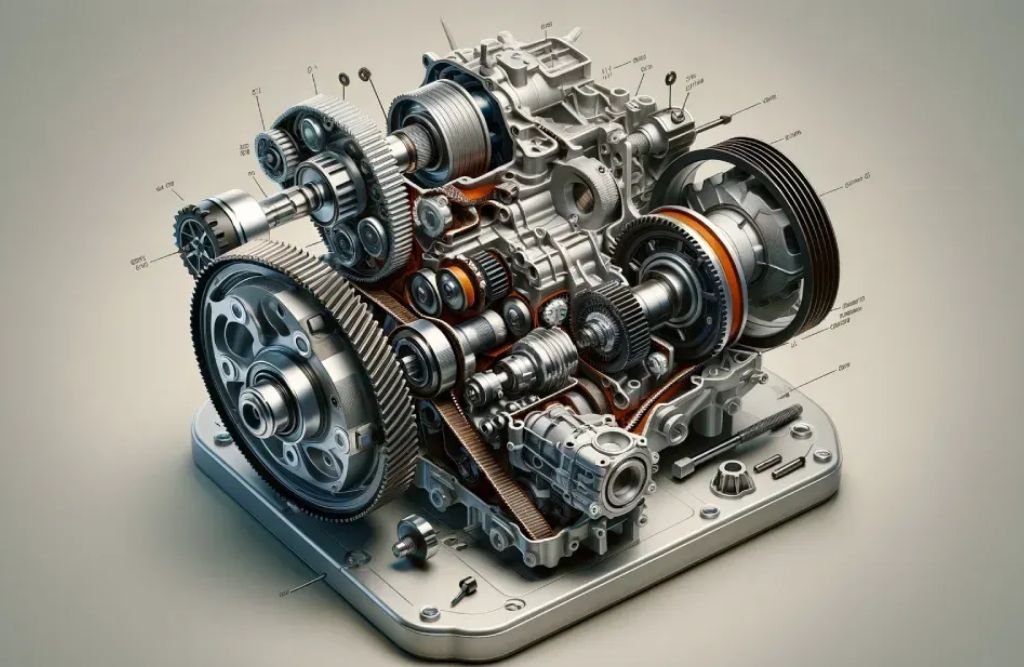
Unlike a conventional automatic transmission that uses a set number of gears, a CVT uses a system of pulleys and a belt or chain to provide a continuous range of gear ratios. Instead of shifting between fixed gears, the transmission adjusts its ratio according to driving conditions.
This design allows the engine to operate within an efficient power range more consistently. Drivers may notice smoother acceleration because there are no traditional gear changes.
However, the unique design also means that CVTs can have specific maintenance requirements. Following the manufacturer’s recommendations is one of the most important steps a vehicle owner can take.
Follow the Recommended Fluid Change Schedule
Transmission fluid is one of the most important components of any CVT system. It lubricates internal components, helps control temperature, and allows the transmission to operate correctly.
CVTs often require specially formulated fluid. Using the wrong type of transmission fluid can cause poor performance or even internal damage. For this reason, vehicle owners should always check the owner’s manual or consult a qualified technician before adding or replacing fluid.
Do not assume that a conventional automatic transmission fluid is suitable for a CVT. Different manufacturers can specify different fluids and service intervals.
Regular fluid replacement can help keep internal components properly lubricated and reduce the buildup of contaminants.
Check for Transmission Fluid Leaks
A transmission that is losing fluid can quickly develop performance problems. Although CVT fluid leaks are not always easy to spot, checking the area underneath your vehicle occasionally can help identify potential issues early.
Look for unusual fluid spots where the vehicle is normally parked. If you notice a leak, do not ignore it. Low fluid levels can affect lubrication and temperature control, potentially leading to expensive damage.
A professional inspection can determine where the leak is coming from and whether seals, gaskets, hoses, or other components need attention.
Avoid Aggressive Driving
Driving style can have a significant impact on transmission longevity. Rapid acceleration, frequent hard launches, and aggressive driving can place additional stress on the transmission system.
Although a CVT is designed to handle normal driving conditions, consistently demanding maximum performance can increase heat and mechanical stress.
Smooth acceleration is generally a better approach. Instead of repeatedly pressing the accelerator aggressively, gradually increase speed and allow the transmission to adjust naturally.
This does not mean you need to drive extremely slowly. It simply means avoiding unnecessary strain whenever possible.
Give the Transmission Time to Warm Up
In colder conditions, fluids can become thicker and take longer to reach their normal operating characteristics. Immediately demanding heavy acceleration after starting the vehicle may place additional stress on various components.
Allowing the engine and drivetrain to reach normal operating conditions before aggressive acceleration is a sensible habit, particularly in very cold weather.
In most situations, you do not need to let the vehicle idle for a long time. Gentle driving during the first few minutes is generally a more practical approach.
Pay Attention to Warning Signs
One of the easiest ways to protect your CVT transmission is to recognize unusual symptoms before they become serious problems.
Potential warning signs can include:
- Shuddering or juddering during acceleration
- Unusual whining or humming noises
- Delayed acceleration
- Unexpected changes in engine behavior
- Transmission warning lights
- Burning smells
- Difficulty maintaining smooth acceleration
- Unusual vibrations
A single unusual sensation does not necessarily mean the transmission is failing. However, persistent or worsening symptoms deserve professional attention.
Ignoring a developing problem can turn a relatively manageable repair into a much more expensive transmission replacement.
Keep the Cooling System in Good Condition
Heat is one of the major enemies of transmission components. Excessive temperatures can cause fluid to deteriorate more quickly and may increase wear on internal parts.
The transmission cooling system therefore deserves attention as part of regular vehicle maintenance.
Depending on the vehicle, transmission cooling may be integrated with the radiator or use a separate cooler. Make sure the vehicle’s cooling system is maintained according to the manufacturer’s recommendations.
Keeping the engine cooling system in good condition can also contribute to proper drivetrain temperature management.
Be Careful When Towing
Not every vehicle equipped with a CVT is designed for towing. If your vehicle is approved for towing, it is important to follow the manufacturer’s maximum towing capacity and recommendations.
Exceeding the recommended limit can generate excessive heat and place unnecessary stress on the transmission.
If you regularly tow a trailer, carry heavy loads, or drive in demanding conditions, ask a qualified technician whether your vehicle requires additional transmission service.
Use the Correct Driving Modes
Modern vehicles equipped with CVTs may have different driving modes, such as Normal, Sport, Eco, or manual-style simulated ratios. These settings can change how the vehicle responds to acceleration.
Using the appropriate mode for the driving situation can make the vehicle easier and more comfortable to operate.
However, drivers should understand that simulated gear ratios in some CVTs do not mean the transmission has traditional physical gears. They are designed to provide a more familiar driving experience.
Always refer to the owner’s manual to understand how your vehicle’s specific driving modes work.
Don’t Ignore Scheduled Inspections
Routine inspections can identify potential problems before they become major failures. During a professional inspection, a technician can check fluid condition, leaks, electronic systems, cooling components, and other relevant parts.
Following the manufacturer’s maintenance schedule is especially important for vehicles that are used heavily.
If you frequently drive in stop-and-go traffic, extreme temperatures, mountainous areas, or under heavy loads, your vehicle may require more frequent attention than one used primarily for relaxed highway driving.
Choose a Qualified Technician
CVTs use different technology from many traditional automatic transmissions. Because of this, choosing a technician familiar with your vehicle’s transmission system can make a significant difference.
When servicing your CVT transmission, make sure the technician understands the manufacturer’s recommended procedures and uses the correct fluid and equipment.
A qualified professional can also use diagnostic equipment to identify electronic or mechanical issues that may not be obvious during a basic inspection.
Maintain the Rest of Your Vehicle
Transmission health does not exist in isolation. Other vehicle systems can influence overall drivetrain performance.
Keeping the engine properly serviced, maintaining correct tire pressure, replacing worn tires, and addressing suspension or drivetrain issues can help your vehicle operate efficiently.
For example, incorrect tire sizes or significantly different tire diameters can potentially affect how the drivetrain operates. Always use tire specifications recommended by the manufacturer.
A well-maintained vehicle generally places less unnecessary stress on its individual systems.
Be Proactive Rather Than Reactive
Many expensive automotive repairs begin with small symptoms that were overlooked. A slight vibration, unusual noise, or change in acceleration may seem insignificant at first, but persistent symptoms should not be ignored.
Regular maintenance is usually less expensive than dealing with a major transmission failure.
Keep records of fluid changes, inspections, repairs, and other important services. This makes it easier to determine when maintenance is due and can also be useful if you eventually sell the vehicle.
Final Thoughts
Taking care of a CVT transmission does not have to be complicated. The most important habits are using the correct transmission fluid, following the manufacturer’s service schedule, avoiding unnecessary aggressive driving, maintaining proper cooling, and responding quickly to warning signs.
A CVT can provide a smooth and efficient driving experience when it is properly maintained. Rather than waiting until a transmission problem becomes obvious, make maintenance part of your regular vehicle-care routine.
Most importantly, remember that every vehicle is different. Manufacturer recommendations should always take priority over generic maintenance advice. When in doubt, consult the owner’s manual or a qualified automotive technician who understands your vehicle’s specific CVT system.